When the Outdoors Becomes Dangerous: Wilderness Therapy Program Abuse in Utah
Utah is home to one of the highest concentrations of wilderness therapy and outdoor behavioral programs in the country. These programs market themselves as transformative experiences for struggling youth, and many families enroll their children with genuine hope. But when a program fails to supervise its participants, respond adequately to a medical emergency, or maintain safe staffing ratios in remote terrain, the consequences can be severe — and the distance from home makes accountability even harder to reach. At Carlson Injury Law, we represent families whose children were harmed by the negligence of wilderness therapy operators. We know this industry, and we know how to hold it accountable.
Why Wilderness Program Negligence Is Different from Other Facility Abuse Cases
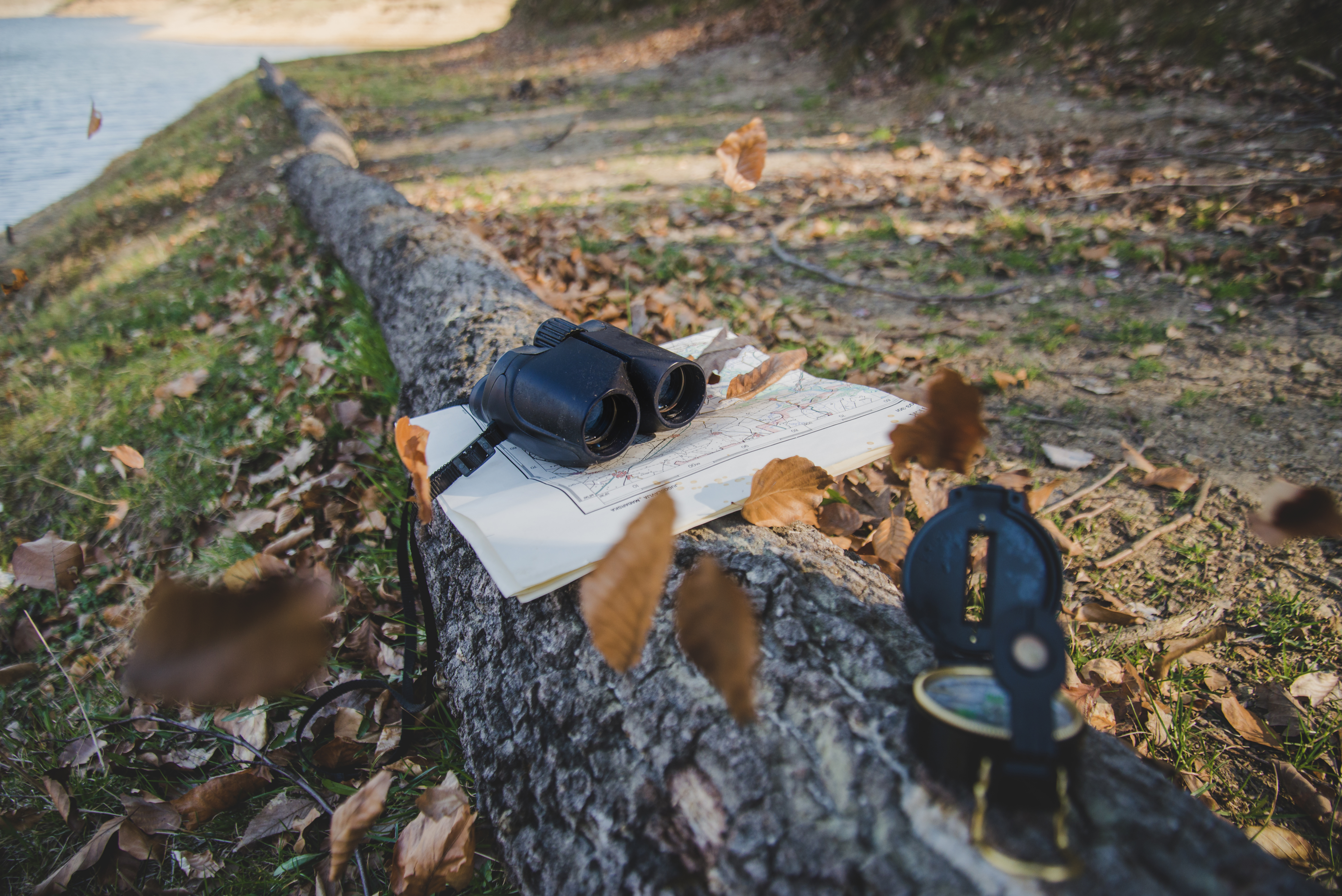
Wilderness therapy program abuse cases involve a distinct set of negligence theories that set them apart from indoor facility claims. A nursing home or residential treatment center operates within a fixed structure. A wilderness program operates in remote outdoor environments where supervision failures, delayed medical response, and inadequate staffing can turn a manageable situation into a life-threatening one. The legal questions we investigate reflect that difference.
When we evaluate a wilderness therapy program abuse lawsuit in Utah, we examine:
- Staffing ratios relative to group size and terrain difficulty
- Staff training and certification standards for wilderness medicine and emergency response
- Medical screening protocols before and during the program
- Response time and adequacy of care when a participant was injured or showed signs of distress
- Whether physical conditions — heat, cold, altitude, exertion — were monitored and managed appropriately
- Program licensing status and compliance with Utah regulatory requirements
- Whether the program's conduct met the standard of care the law requires
The outdoors is not an excuse for inadequate supervision. If your child was injured or abused while enrolled in a wilderness therapy or outdoor behavioral program, the program's remote setting does not limit your legal options — it simply changes how the investigation unfolds.
Utah's Wilderness Therapy Industry and the Oversight Gap
Utah's concentration of wilderness therapy operators is not coincidental. The state's landscape, combined with a historically permissive regulatory environment, made it an attractive location for outdoor behavioral health programs. Families across the country — and internationally — send their children to Utah-based programs, often without a clear understanding of how those programs are licensed, staffed, or monitored.
That oversight gap is precisely where harm tends to occur. Some programs operate under licensing frameworks that were not designed with participant safety as the primary concern. Others exploit ambiguity in how "wilderness therapy" is defined under state law to avoid scrutiny that more traditional residential facilities face. When something goes wrong — an injury, an episode of abuse, a medical emergency that was mishandled — families often discover that the program's accountability structures are as sparse as its surroundings.
Our facility abuse practice spans the full range of Utah's youth program industry, from nursing home abuse and residential treatment center abuse to therapeutic boarding school abuse. Wilderness programs represent a distinct category, but our understanding of how Utah's program landscape operates informs every case we take. We investigate what should have been prevented.
The Facility Abuse Cases We Handle
Every case below involves a facility that accepted responsibility for a person's care and failed to meet that standard. If your situation involves any of these settings, a confidential consultation is the right first step.
What Families Ask Before They Call
Can I sue a Utah treatment facility for abuse if my family lives in another state?
Yes. Jurisdiction is determined by where the harm occurred, not where your family lives. Because the facility and the incident are in Utah, your case must be filed in Utah courts under Utah law. You will need a Utah-licensed attorney to file suit. If you already have an attorney in your home state, we can work alongside them to handle the Utah-specific requirements.
Do I need a Utah lawyer if my child was abused at a facility here but we live elsewhere?
Utah requires attorneys to be licensed in-state to file and litigate claims in Utah courts. An out-of-state attorney can associate with Utah counsel, but cannot independently manage a Utah facility case through to trial. Our team handles the full Utah procedural process and has experience working with out-of-state families and their existing attorneys.
What qualifies as facility abuse? I am not sure our situation rises to the level of a lawsuit.
Facility abuse includes physical harm, sexual abuse, unlawful restraint, medical neglect, psychological harm, and failures in supervision that lead to injury. You do not need certainty before you call. A confidential consultation gives us the opportunity to evaluate what happened and tell you honestly whether you have a viable claim. Many families who were unsure discovered they had a strong case.
How does Carlson Injury Law approach facility abuse cases differently from other firms?
We are litigators. We build facility abuse cases with trial in mind from the first day, which changes how institutions and their insurers respond to us. Other law firms — including firms outside Utah — regularly refer facility abuse cases to us specifically because of that reputation. We represent only victims of negligence, and we have the trial experience to take these cases as far as they need to go.
What does it cost to talk to a facility abuse attorney?
The initial consultation is free and confidential. If we take your case, we work on a contingency basis, which means you pay no attorney fees unless we recover compensation for your family.
Does Carlson Injury Law serve Spanish-speaking families in facility abuse cases?
Yes. Our team includes a fluent Spanish-speaking attorney and four Spanish-speaking support staff members. Families who prefer to communicate in Spanish receive the same level of representation and personal attention as every other client we serve.
Why Families Choose Carlson Injury Law for Wilderness Program Cases
Facility abuse litigation requires a team that understands the industry it is litigating against — not just the legal framework, but the operational structures, the licensing landscape, and the ways programs attempt to minimize accountability when a claim is filed. Our facility abuse practice is built on that depth of knowledge, and it extends to every category of Utah's youth program industry, including outdoor behavioral programs.
We are litigators. We take cases to trial when that is what accountability requires, and that posture shapes how insurers and program operators respond to our clients' claims. Our founding attorney is a former assistant dean at a national trial lawyers college who has taught trial strategy to attorneys across the country. That background is not incidental — it reflects a commitment to the kind of advocacy that produces results in difficult cases.
We represent only victims of negligence, never the programs or facilities on the other side. Every client receives bi-weekly updates and direct access to a staff member's personal cell phone. For Spanish-speaking families, our team includes a fluent Spanish attorney and four Spanish-speaking support staff members.
If your family is navigating the aftermath of a wilderness therapy program incident in Utah, we are prepared to help you understand what happened, what your options are, and what holding the program accountable looks like in practice.