When "Therapeutic" Becomes a Broken Promise
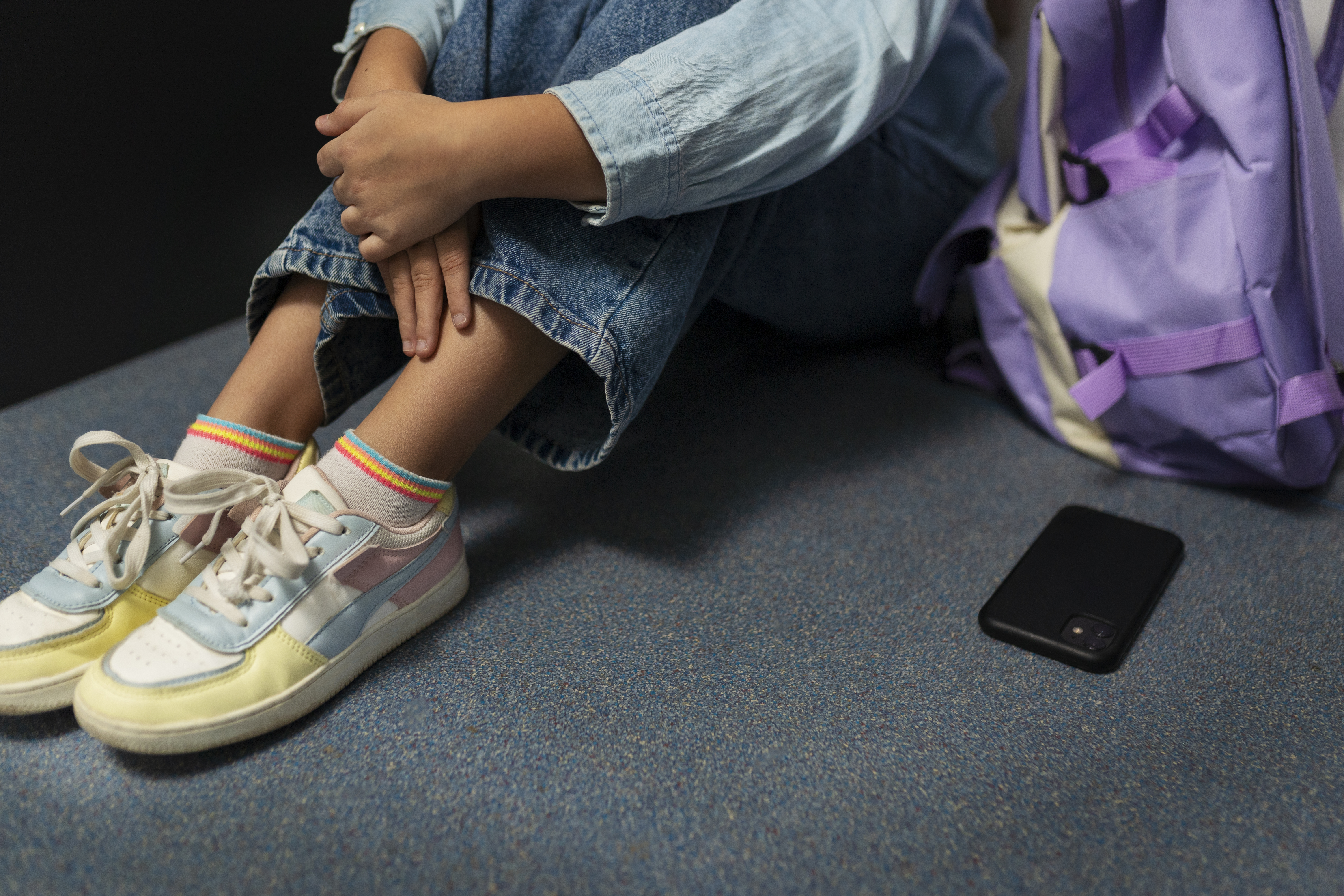
Your family chose a therapeutic boarding school because a professional or a brochure convinced you it was the right path. What was promised as structured, therapeutic care should never mean isolation, restricted communication, or mistreatment at the hands of staff. If your child was harmed at a boarding school program in Utah, you have the right to hold that program accountable.

What Makes Therapeutic Boarding School Abuse Different from Other Facility Claims
Therapeutic boarding schools occupy a distinct space in Utah's landscape of youth programs. Unlike residential treatment centers, which typically operate under closer clinical oversight, boarding-school-style programs often market themselves as emotionally supportive or character-building environments while operating with far less regulatory scrutiny. That gap between the promise and the reality is where harm most often occurs.
The complaints we hear from families tend to follow a recognizable pattern:
- Isolation from peers and family as a behavioral consequence
- Restriction or monitoring of phone calls, letters, and visits
- Staff conduct that crosses from discipline into abuse
- Emotional manipulation framed as therapeutic technique
- Physical restraints applied outside any clinical protocol
- Failure to report incidents to parents or authorities
Utah's legislature has directed increasing attention to facility oversight and mandatory reporting requirements for youth programs in recent years. That regulatory context matters to a legal claim, and we know how to use it.
What Your Family May Be Facing Right Now
Families who contact us are rarely certain about what happened. They know something was wrong. They may have a child who came home changed, or a disclosure that arrived weeks or months after the program ended. The uncertainty itself is part of what makes these cases difficult to navigate alone.
We represent families in therapeutic boarding school abuse cases involving isolation, restriction of communication, and staff misconduct. Our role from the first conversation is to help you understand what you have, what you may need, and how the legal process works for cases like yours. We help families document and preserve evidence, including incident reports, communication records, and program policies, before that material becomes harder to obtain.
The Facility Abuse Cases We Handle
Every case below involves a facility that accepted responsibility for a person's care and failed to meet that standard. If your situation involves any of these settings, a confidential consultation is the right first step.
What Families Ask Before They Call
Can I sue a Utah treatment facility for abuse if my family lives in another state?
Yes. Jurisdiction is determined by where the harm occurred, not where your family lives. Because the facility and the incident are in Utah, your case must be filed in Utah courts under Utah law. You will need a Utah-licensed attorney to file suit. If you already have an attorney in your home state, we can work alongside them to handle the Utah-specific requirements.
Do I need a Utah lawyer if my child was abused at a facility here but we live elsewhere?
Utah requires attorneys to be licensed in-state to file and litigate claims in Utah courts. An out-of-state attorney can associate with Utah counsel, but cannot independently manage a Utah facility case through to trial. Our team handles the full Utah procedural process and has experience working with out-of-state families and their existing attorneys.
What qualifies as facility abuse? I am not sure our situation rises to the level of a lawsuit.
Facility abuse includes physical harm, sexual abuse, unlawful restraint, medical neglect, psychological harm, and failures in supervision that lead to injury. You do not need certainty before you call. A confidential consultation gives us the opportunity to evaluate what happened and tell you honestly whether you have a viable claim. Many families who were unsure discovered they had a strong case.
How does Carlson Injury Law approach facility abuse cases differently from other firms?
We are litigators. We build facility abuse cases with trial in mind from the first day, which changes how institutions and their insurers respond to us. Other law firms — including firms outside Utah — regularly refer facility abuse cases to us specifically because of that reputation. We represent only victims of negligence, and we have the trial experience to take these cases as far as they need to go.
What does it cost to talk to a facility abuse attorney?
The initial consultation is free and confidential. If we take your case, we work on a contingency basis, which means you pay no attorney fees unless we recover compensation for your family.
Does Carlson Injury Law serve Spanish-speaking families in facility abuse cases?
Yes. Our team includes a fluent Spanish-speaking attorney and four Spanish-speaking support staff members. Families who prefer to communicate in Spanish receive the same level of representation and personal attention as every other client we serve.
Your Child Deserved the Care That Was Promised
Therapeutic boarding school abuse cases require a firm with the depth to match a well-resourced program and the commitment to see a case through to resolution. Carlson Injury Law has represented families in cases involving the most serious forms of facility misconduct, and we bring that experience to every new family we serve.
If you are located in Davis County, Weber County, or anywhere across Utah, or if your child attended a Utah program and your family is out of state, we are ready to hear what happened.
Every client relationship at our firm begins with a free, confidential consultation. There is no cost to speak with us, and no obligation to proceed.